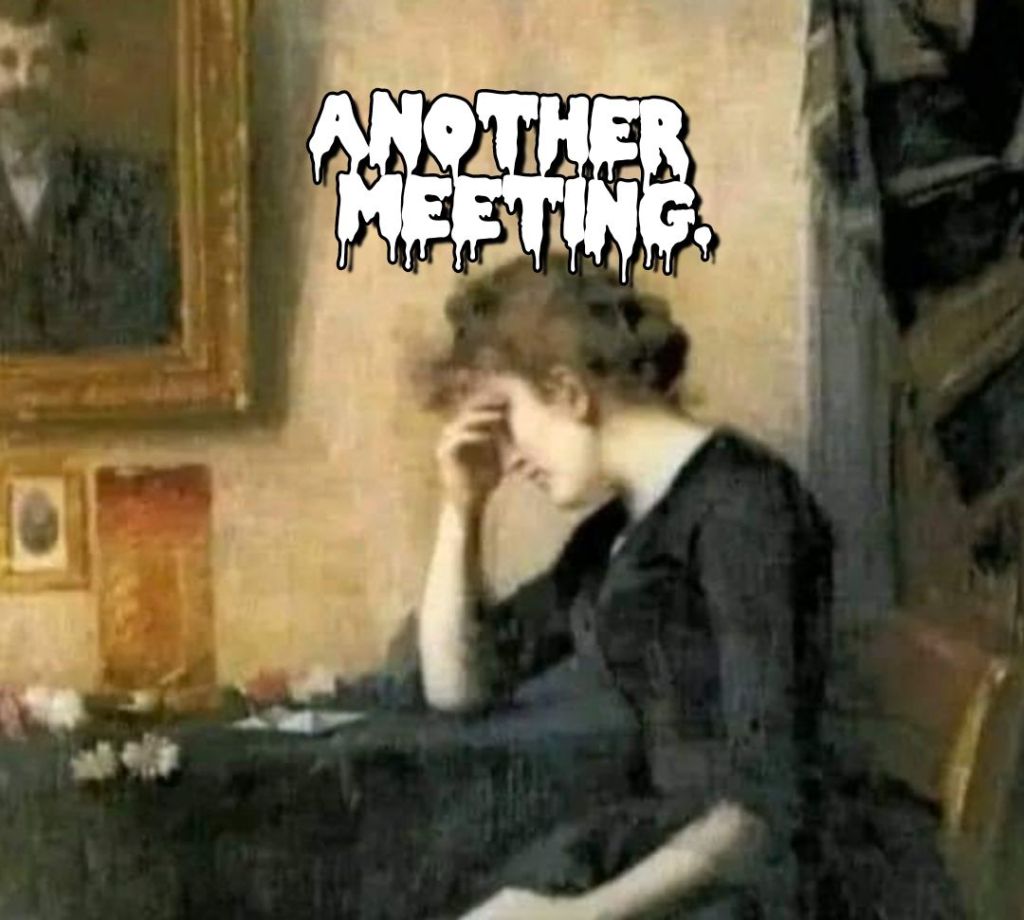
Anyone who enjoys attending meetings should never be put in a position of authority because their focus is on process instead of results. While some meetings, with a clear agenda, are necessary, excessive meetings are some people’s way of keeping up the appearance of accomplishing something.
You see, when appearing to do the job becomes more important than actually doing the job, it often reflects a culture or environment where perception is valued more highly than performance. This phenomenon is commonly referred to as “impression management” or “performative work.” Below are some key aspects and causes of this behaviour:
1. Prioritising Appearances Over Outcomes
Employees may focus on looking busy, such as attending unnecessary meetings, sending excessive emails, or staying late, to appear dedicated.
Leaders may announce flashy initiatives or plans with little follow-through, aiming to gain short-term recognition.
2. Cultural Drivers
Micromanagement: When leaders prioritise visible activity over trust in results, employees may focus on appearances.
Rewarding Visibility: If promotions or recognition are based on visibility rather than measurable impact, employees may shift their focus to maintaining appearances.
Fear of Accountability: Workers may mask inefficiencies by creating the illusion of productivity.
3. Examples in Real Life
Workplace: A manager might spend more time crafting PowerPoint presentations than solving actual problems.
Politics: Leaders may make promises, cut ribbons, or announce projects that never materialise.
Education: Students might focus on “looking studious” rather than grasping the subject matter.
4. Consequences
Erosion of Trust: Colleagues and stakeholders may lose faith in individuals or organisations focused solely on appearances.
Reduced Productivity: Energy spent on appearances detracts from meaningful work.
Lower Morale: Genuine contributors may feel undervalued or discouraged.
5. Solutions
Shift Focus to Outcomes: Set clear, measurable goals that emphasise results.
Promote a Culture of Transparency: Encourage open discussions about progress and challenges.
Recognise True Effort: Reward actual accomplishments rather than performative actions.
It’s worth remembering that some people can’t afford to take time off because they’re afraid of not being missed. I’ll leave you with one final thought.
Keeping up appearances is a short-term solution for a long-term problem.
P.S. Mrs Buckét
