The Psychological Magic Trick of the “Talent-Free” Influencer.
(Thanks, Kardashians!)
We used to believe fame required talent — that you had to sing, act, or at least juggle flaming swords to earn attention. Then came the Kardashians, and the game changed forever.
Because it turns out you don’t need a craft. You just need a camera, an algorithm, and a deep understanding of human psychology.
Let’s unpack the magic tricks behind the “talent-free” influencer phenomenon — and how the Kardashians perfected them.
1. The “They Feel Like Family” Illusion (Even Though They’ve Never Met You).
The Psychological Sleight of Hand: Your brain can’t tell the difference between someone you actually know and someone you’ve watched eat salad on TV for 20 seasons.
The Kardashian Application: We’ve seen Kim cry over lost earrings, Khloé break up with losers, and Kylie… well, Kylie do whatever Kylie does. After 660 episodes of Keeping Up, they feel less like celebrities and more like that dramatic cousin you only see at weddings but somehow know everything about.
The secret sauce? Familiarity without obligation. You get the gossip without having to loan them money.
2. The “So Real, It’s Fake” Phenomenon.
The Psychological Sleight of Hand: We’re wired to sniff out phonies, so when someone seems “authentic,” we lower our guard.
The Kardashian Application: The genius of the Kardashians is performing calculated authenticity. Kim posts “unglammed” PJ selfies that still have perfect lighting. They promote “body positivity” while looking like they’ve never seen a carb. Kylie “admits” to lip fillers, then makes $360 million off the confession by selling lip kits.
It’s the modern marketing magic trick: turning an advertisement into a confession.
3. The “Monkey See, Monkey Follow” Effect.
The Psychological Sleight of Hand: If everyone else is watching, our monkey brains assume there must be a good reason.
The Kardashian Application: With a combined Instagram following of 1.2 billion, they’re not people anymore — they’re a human tsunami. When Kylie posted a photo of her baby, it became the most-liked picture in Instagram history (until an egg dethroned her, which honestly proves the point).
Today’s status symbol isn’t a Ferrari — it’s being too famous to be cancelled properly.
4. The “I’m Just Like You (But Richer)” Fairy Tale.
The Psychological Sleight of Hand: We connect with people who seem aspirational yet attainable — not so perfect they make us feel bad, not so ordinary they bore us.
The Kardashian Application: They mastered the “relatability sweet spot.” They’re rich enough to fascinate but flawed enough to feel human. They have family dinners, sibling fights, and public heartbreaks — they just happen to have them in $20 million mansions.
They’re the human equivalent of a McMansion: fancy enough to aspire to, tacky enough to believe you could actually live there.
5. The “Attention = Power” Equation.
The Psychological Sleight of Hand: Once upon a time, status went to the hunter or the warrior. Now it goes to whoever can make you pause your scrolling.
The Kardashian Application: Kim “breaking the internet” with her Paper magazine cover wasn’t about nudity — it was about dominance. When Kylie tweeted she no longer used Snapchat, $1.3 billion evaporated from the company’s value overnight.
Their art form isn’t music or film — it’s the alchemy of turning attention into currency.
6. The Algorithm Whisperers.
The Psychological Sleight of Hand: Social platforms reward engagement, not talent. Algorithms don’t care whether you’re loved or loathed — only that you’re being talked about.
The Kardashian Application: They don’t fight the algorithm; they flirt with it. Kim knows that controversy drives clicks. Kylie understands that drama equals dollars.
They don’t create content — they create algorithm catnip.
7. The “Hate-Watching Is Still Watching” Loophole.
The Psychological Sleight of Hand: Your brain doesn’t differentiate between positive and negative engagement. Dopamine is dopamine — whether you’re laughing with them or at them.
The Kardashian Application: Think they don’t know people mock them? They count on it. When Kim wore Marilyn Monroe’s dress to the Met Gala, the outrage and think pieces generated billions in free publicity.
They’ve mastered the dark art of turning your eye-rolls into income.
The Grand Finale: The Real Magic Trick.
The “untalented” influencer isn’t a cultural accident — they’re the perfect product of our psychological wiring.
The Kardashians didn’t hack the system; they are the system.
They feed our need for connection, our hunger for authenticity, our weakness for social proof, and our willingness to trade depth for distraction.
Their true talent? Making us wonder about their talent while they cash the cheque.
As one academic put it:
“When people devote time and space to condemnation, it immediately makes me wonder what social fears or cultural desires might lie beneath the aggression.”
So the next time you ask, “But what do they actually do?” — the uncomfortable truth is, they’re doing it. (Living)
And we’re the ones watching.
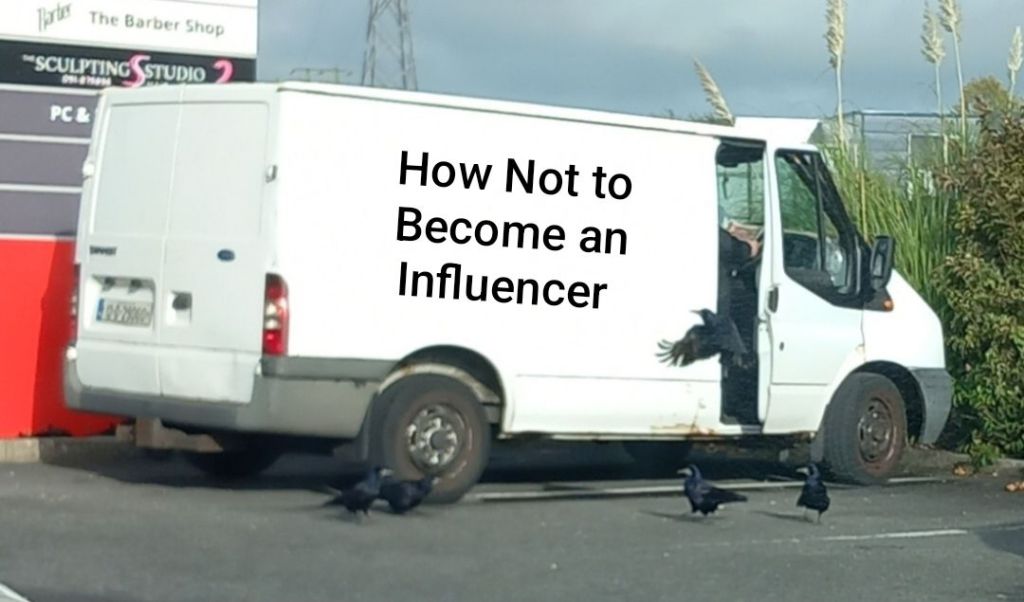
The title is a bit misleading because the entire post shows you everything you need to do to become an influencer. However, if you don’t use any of those tricks, then you won’t become an influencer.
P.S. I couldn’t possibly become an influencer. However, I could definitely spend an influencer’s money.
