Somewhere along the way, we decided that questions are weapons.
Ask one, and you must be attacking. Raise doubt, and you must be disloyal. Challenge a structure, and you must want to destroy it.
But that’s not how growth works.
Questions are not demolition charges. They are door handles.
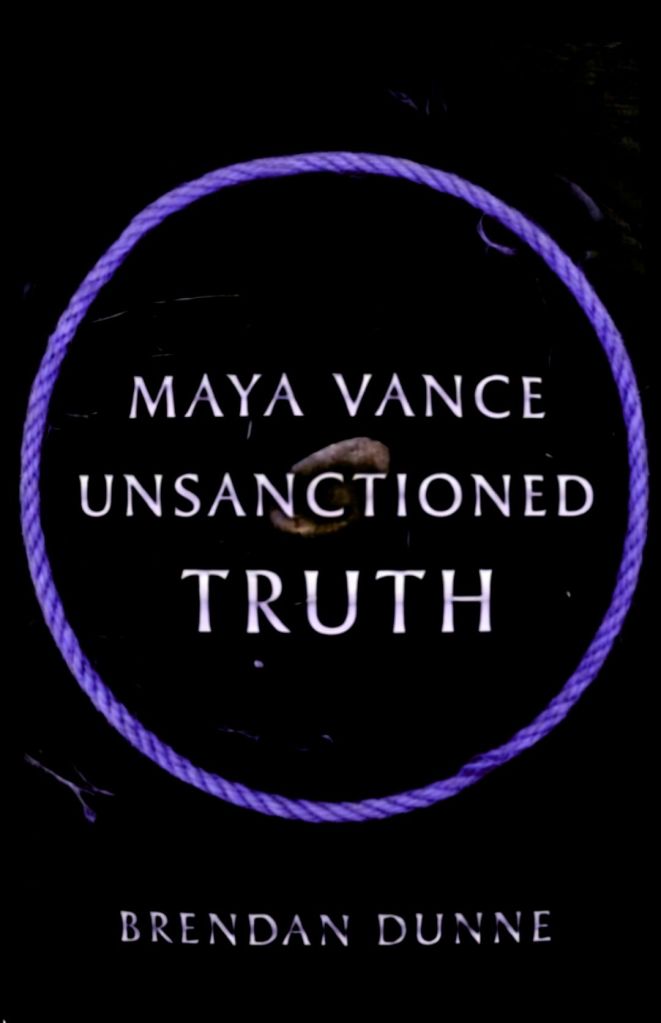
In the novel I’ve been writing, a system exists that prides itself on clarity. It dismantles inherited beliefs. It rebuilds identity with precision. It speaks the language of integration and stability.
On the surface, it’s compassionate.
But the tension doesn’t begin with violence. It begins with a quiet internal friction: “What does that actually mean?”
When a character notices phrasing. When she replays a sentence in her mind. When she senses something slightly off in a perfectly polished explanation.
That’s where the real story begins.
Because the moment you ask a sincere question, you step slightly outside the frame. And frames don’t always like that.
Here’s what we get wrong in real life: We think questioning something means we hate it. We think expressing doubt means we are betraying the group, the institution, the relationship.
So we polarise. You’re either loyal or hostile. With us or against us.
It’s exhausting. And it’s unnecessary.
You can ask a question without demonising the person you’re asking. You can examine a system without calling it evil. You can say, “Help me understand this,” without implying, “You’re corrupt.”
Curiosity is not cruelty. Inquiry is not aggression. Discernment is not disloyalty.
In my story, the most dangerous thing isn’t open rebellion. It’s quiet pattern recognition.
The system doesn’t fall because someone screams. It wavers because someone sees. And seeing doesn’t require hatred. It requires honesty.
You don’t need to burn structures down to examine their foundations.
That sentence is powerful. It creates space. And growth needs space.
The irony? If a structure can’t withstand questions, it was never stable. If an idea collapses under scrutiny, it isn’t strong enough. If a relationship fractures because you asked for clarity, it wasn’t secure.
Questions don’t create weakness. They reveal it.
And if asking better questions makes you slightly inconvenient, slightly uncomfortable, slightly harder to categorise?
Good.
That’s usually where clarity lives.
