It’s no fun seeing what people don’t want you to see. Please read Ben’s story on finding a balanced relationship with other people’s behaviour.
Ben had always been a curious soul, eager to understand the intricacies of human behaviour and the world around him. From a young age, he devoured books on psychology, sociology, and philosophy, seeking to unravel the mysteries behind why people behaved the way they did.
As he grew older, Ben’s thirst for knowledge only intensified. He found himself observing people wherever he went – at the grocery store, in cafes, on public transport. He noticed patterns in their behaviour, subtle cues in their expressions, and the complexities of their interactions. It fascinated him how each person seemed to carry a unique story hidden beneath the surface.
Initially, Ben’s insights brought him a sense of fulfilment. Understanding others made him feel connected and empathetic. He offered a listening ear to friends in need, provided thoughtful advice, and seemed to navigate social situations with ease.
However, as Ben delved deeper into understanding human nature, something began to change within him. The more he observed, the more he noticed flaws and inconsistencies in people’s actions. He saw how insecurities drove someone to boast, saw how people smiled with clenched fists, how fear masked as anger in another, and how jealousy tainted relationships.
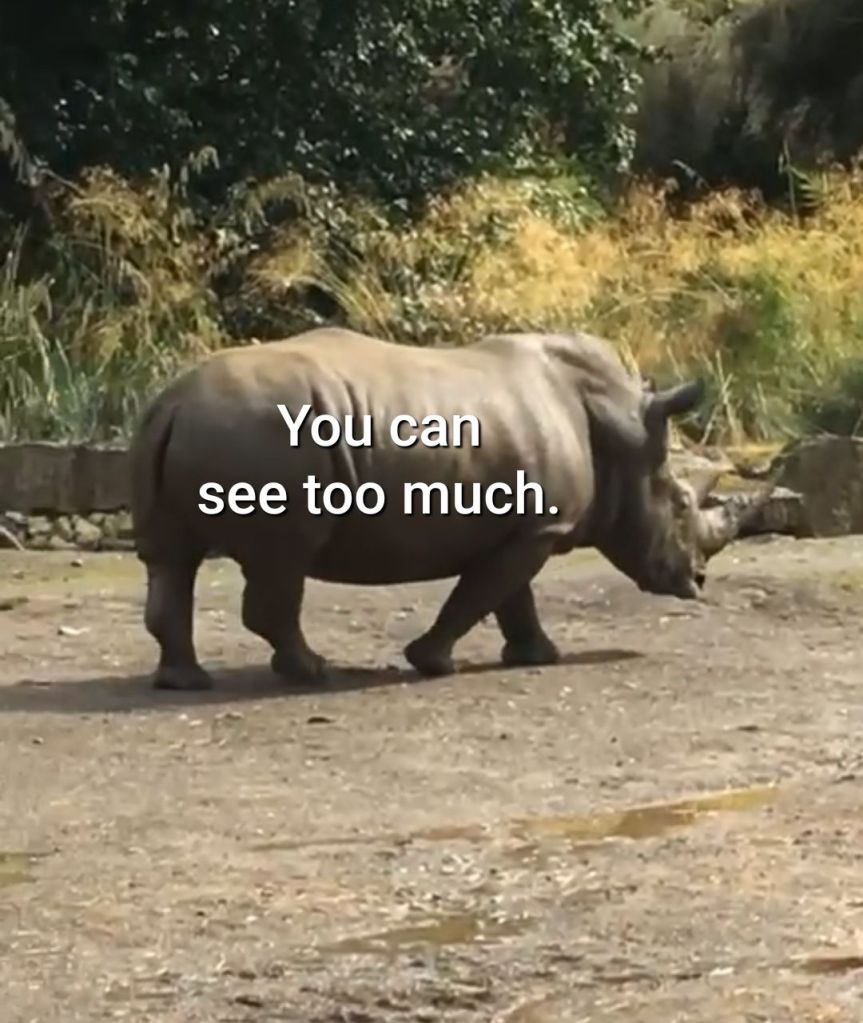
Initially, Ben brushed off these realisations, believing that understanding human complexities was a natural part of growth. But over time, he found himself becoming disillusioned. The idealised images he once held of people shattered as he uncovered their vulnerabilities and imperfections. What had once been a source of fascination now weighed heavily on his spirit.
One day, while sitting in a bustling cafe, Ben watched a couple at a nearby table. He saw the subtle signs of tension in their conversation, the forced smiles, and the underlying frustration. As he observed, he couldn’t help but feel a pang of sadness. The intimacy and connection he had hoped to find in understanding others seemed elusive.
That evening, Ben reflected on his journey. He realised that his deep insights into human behaviour had come at a cost. The more he understood, the less content he felt. He longed for the simplicity and innocence of seeing people at face value, without dissecting their motives or analysing their actions.
In the days that followed, Ben made a conscious effort to strike a balance. He acknowledged the importance of empathy and understanding but also recognised the need to preserve his own sense of peace and contentment. He sought solace in nature, where the complexities of human interaction faded against the backdrop of the natural world.
Ben’s journey taught him that while seeking to understand others was valuable, it was equally important to accept them as they were—imperfect, vulnerable, and multifaceted. He found fulfilment not just in unravelling the mysteries of human behaviour but also in embracing the beauty of genuine connections and the simple joys of life.
You can see too much. However, you can learn to see just enough.
