Every parent reaches a moment that looks and feels nothing like a celebration.
There is no graduation for this.
There’s no marked page on the calendar.
No clear announcement that now they are ready.
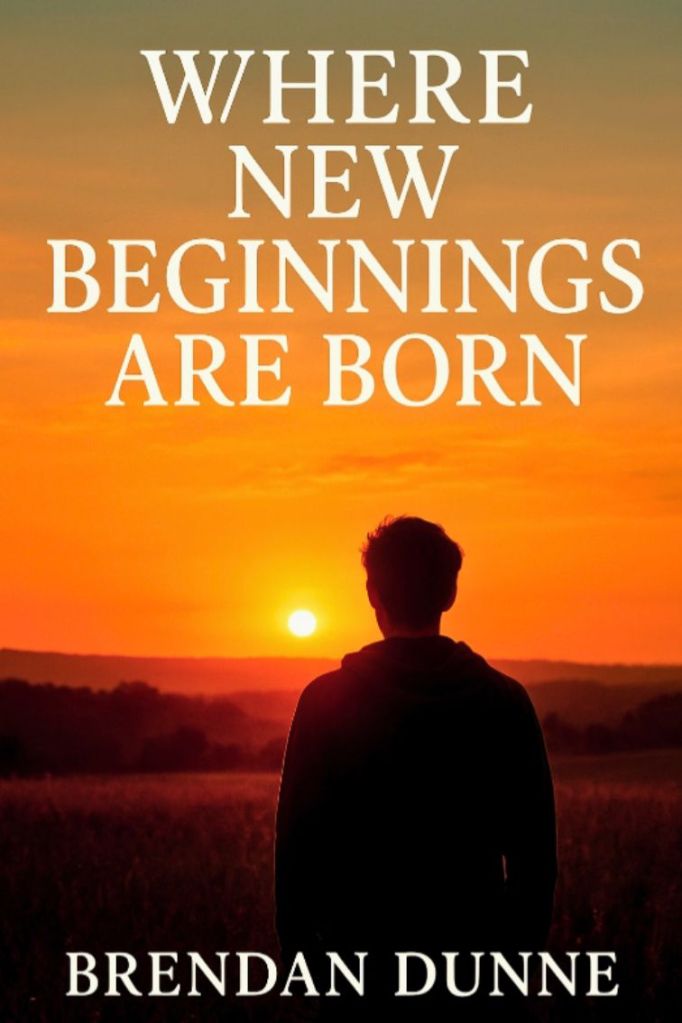
Instead, there’s quietness.
The parent notices it first:
The child no longer asks, “Can you hold my hand?”
They ask, “Can I go on my own?”
That is the signal.
For years, the parent steadied steps, softened falls, clarified boundaries, and filtered the world’s noise.
Not to keep the child small — but to make the space around them safe enough to grow into.
One day, the guidance changes.
Not because the parent has no more love to give,
but because giving it in the old way would now hold the child back.
So the parent says something both simple and seismic:
“You don’t need my hand the way you once did.
That was my hope all along.”
They don’t promise the path will be safe.
They don’t offer a map for every uncertainty.
They don’t give directions disguised as protection.
They say:
“Trust the compass you’ve built.
Move toward what feels right, not just what feels safe.
Come back when you need to — not because you must.”
And then — the hardest part — they step back.
Not out of absence.
Out of devotion.
Because a parent’s arms are meant to be a harbour, not a cage.
Their presence is meant to be a foundation — not a ceiling.
The child may still carry their parent’s voice —
in moments of caution,
in flashes of kindness,
in the quiet instinct to choose wisely.
But now, the voice making the final choice is their own.
That’s not letting go of love.
That’s turning loving into freedom.
And it doesn’t mean the journey together is over.
It means the child’s path has finally become theirs —
and the parent’s greatest work is now witnessed
not in the steps they take for them,
but in the steps, they watch them take alone.
