Let’s be honest. The majority of people love to share their knowledge, information, and experience online. It’s one of the prime reasons social media platforms continue to exist. If people decided in the morning that they were going to adopt a more private approach to life, then social media platforms would cease to function. Now, that’s not going to happen, and businesses are grateful because they rely on their interactions for brand awareness. Some of the most popular questions they use to get their followers’ attention are listed below.
1. What’s your favourite way to unwind after a long day?
2. If you could travel anywhere in the world, where would you go?
3. What’s the best advice you’ve ever received?
4. What book or movie has inspired you the most?
5. How do you stay motivated when working on a project?
6. What’s a skill you’d like to learn and why?
7. Share a memorable moment from your last vacation.
8. What’s your go-to recipe for a quick meal?
9. What’s one thing you wish you knew before starting your career
10. How do you practice self-care?
Those questions not only prompt engagement but also help businesses gather insights into their audience’s preferences and lifestyles.
Of course, there are businesses who believe that online platforms are where they tell you all about themselves. However, in time, they will learn to change when they are generally ignored.
I rarely write about this topic these days. However, yesterday, I came across someone on Instagram who appeared to be famous, so I Googled their name and couldn’t find them. Based on that simple search, I made a number of assumptions that may or may not be true. Those assumptions are not important from an individual’s perspective, but if people are making the same assumptions about a business, then the business is in trouble.
Brand loyalty needs online visibility
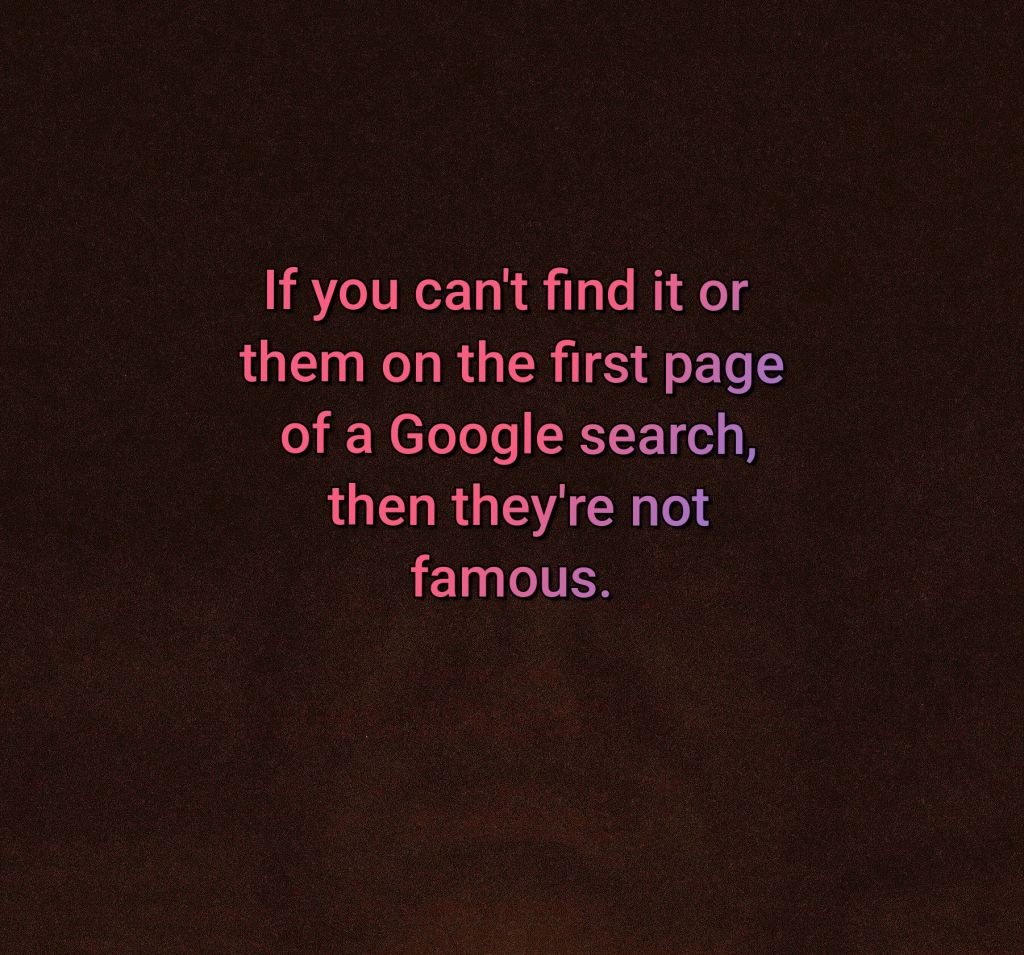
When it comes to business today, the idea that “if you’re not on the first page of Google, you’re not famous” really rings true. For a company, especially, being easily found online is critical. Please allow me to elaborate:
1. Visibility and SEO
Getting on the first page of Google is vital. The majority of people don’t scroll past that first page. If your company or products aren’t showing up there, you’re essentially invisible to a large chunk of potential customers. This is where SEO comes in—optimizing your website with the right keywords, quality content, and the right technical tweaks will help boost your Google rankings. It’s a must-have for staying competitive online.
2. Trust and Authority
Think of it like this: people associate first-page results with trust and authority. If your business doesn’t show up, it can make you seem less established or credible, even if your products or services are great. Being visible helps build trust and signals that you’re a legitimate player in your industry.
3. Outpacing Competition
Your competitors are probably vying for those top spots, too. If you’re not there, you’re losing out on potential leads and sales. SEO helps you stay ahead of the competition. Without it, no matter how good your offering is, you’ll struggle to compete with businesses that are more easily found. (There’s no direct link between quality and Google ranking.)
4. Online Presence = Reputation
Your online visibility is, in many ways, a reflection of your reputation. Today, people judge businesses not just by what they sell but also by how accessible they are. Being on that first page gives the impression that your business is not just operational but thriving. (If people can’t find you when they need your service, then they will worry about finding you should something go wrong.)
5. Niche Fame
Now, if you’re targeting a niche market, you may not need to be famous to everyone, just to the right people. A smaller, specialised business might not hit the first page on broad searches, but it could dominate in its niche with targeted SEO efforts. So, it’s about knowing where and how you want to be “famous.” For example, if you Google “Brendan Dunne,” then you may find me. If you Google “Brendan Dunne mindfulness & positivity,” you will find me.
Bottom Line
Yes, everything you do in business affects your bottom line.
Not being on the first page of Google can hurt your growth and visibility, especially when customers are searching for what you offer. Investing in SEO and your digital presence is key to staying relevant and competitive, both in the short term and long term. Without it, even the best products can get lost in the crowd.
P.S. If you’re not going to invest in good SEO, then you can give yourmoneyto Google in the form of paid advertising.
The positive impact of social media platforms for the people who engage with them are easily identified. They are:
Connectivity: Social media connects people across the globe, enabling friendships, family bonds, and professional relationships to flourish despite physical distances.
Information and Awareness: It can be a powerful tool for spreading information, raising awareness about social issues, and mobilizing people around causes.
Education and Learning: Many use social media platforms to learn new skills, share knowledge, and access educational content.
Business and Innovation: For businesses, social media is crucial for marketing, customer engagement, and innovation. It has also enabled the rise of new business models and opportunities.
Of course, we can’t show how something is positive without showing the negative effects of social media platforms. They are:
Mental Health Issues: Studies have shown links between heavy social media use and issues such as anxiety, depression, and loneliness, particularly among young people.
Misinformation and confirmation bias: Social media can amplify misinformation and contribute to confirmation bias by creating environments where users only encounter views similar to their own.
Privacy Concerns: The collection and exploitation of personal data by social media companies has been well documented by the courts.
Impact on necessaryactivities: Excessive social media use can distract from necessary activities, impacting on work and academic performance.
Would the worldbe better off without social media platforms?
There’s no easy yes or no answer to that question. However, if you could educate people to question everything they see online by actively seeking alternative information and for social media platform owners to be held accountable for eliminating hate speech on their platforms. I believe social media platforms enhance people’s lives.
There’s one thing everyone should take into consideration, and that is, nothing you read is positive or negative until you have an emotional reaction to the information. Therefore, if you don’t react to the information you see on social media platforms. Social media platforms will not have a positive or negative effect on your life.
That’s right, social media platforms grew to be the huge conglomerates they are today because they brought people together. However, that is going to the reason that will bring about their demise, too.
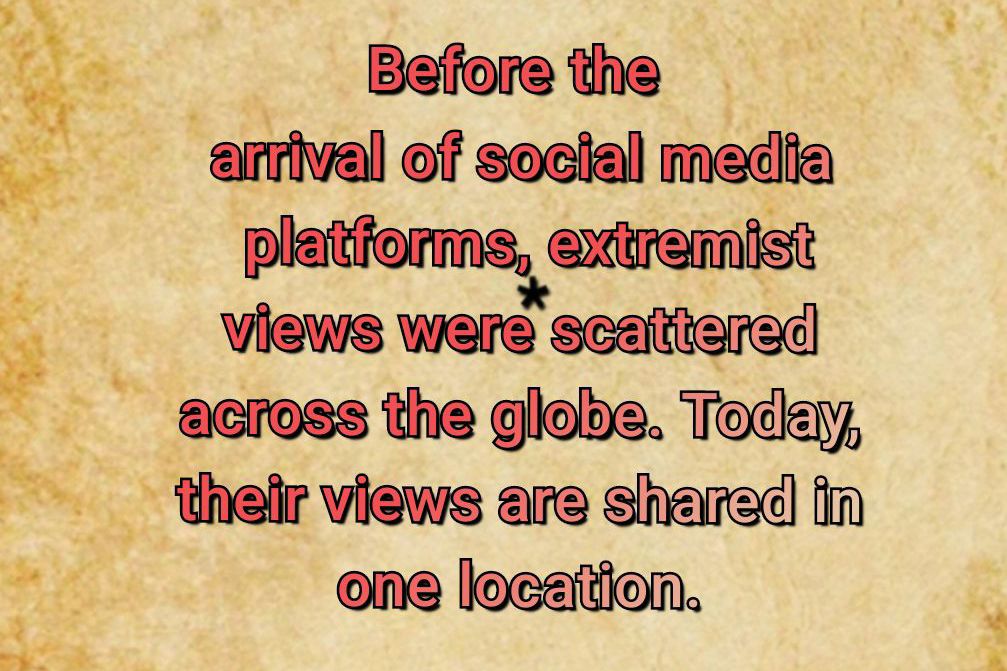
You see, social media platforms were initially about allowing families, local communities, and groups to connect in ways that they couldn’t before. But, it wasn’t long before people with extremist views who previously would have been isolated began using those platforms as gather together and cause serious trouble.
You’d think that social media platform owners would be able to silence those people, but the algorithms designed to spread the most popular news stories are unable to differentiate between positive and negative interactions.
The best, or at least the most well-known example is Donald Trump. A huge number of people interact with the content that’s created about him to see what shocking news will emerge next. His followers, of which there are millions, will be applauding or shouting fake news. Everyone else is afraid they’ll miss the next chapter of the drama, that is, his life.
Of course, Donald is not even the tip of the iceberg. His antics are tame by comparison to the extremist groups across the globe sharing their hate speech on social media platforms, not to mention the other narcissistic and other anti-social groups who are doing the same thing with devastating effects. The minorities of the world are taking control of the platforms.
There is a possible light at the end of the tunnel, and that light is AI. If they can be programmed with the ethics and morals of the majority of people, they could remove anti-social content before it has the opportunity to be shared by the minority.
You will click on links when you’re looking for a specific answer and if you don’t find information that matches your preconceived notions, you will disregard the information. That, however isn’t the whole story behind links.
People who believe they’re intelligent will click on, how high is your IQ? Links.
People who believe they’re being victimised will click on, are you interacting with a sociopath? Links.
People who believe they’re lucky will click on lottery links.
People who believe they’re healers will have clicked on this link.
People who believe in the afterlife will click on, 10 signs you’ve lived before links.
People who believe in astrology will click on, the perfect star sign for you links.
I’m sure you’ve got the picture and so will every algorithm being used to monitor your online behaviour. It’s no coincidence that everyone selling stuff you’re interested in keeps showing up in your news feed.
If you enjoy social media platforms? You’ll have to continue to click on those links because if everybody decided to stop clicking on those links the reason behind social media platforms existence would disappear, and that is to make money from your interest.