“Problem children are created.” That’s a general statement, and like all statements of that ilk, it’s got as much chance of being right as wrong. However, it’s worth discussing.
Adults raise children to become the adults they become.
The belief that “problem children are created” emphasises the profound impact that parents, caregivers, and educators have on a child’s behaviour and development. Children naturally absorb much of their behaviour by observing the adults around them, and if they are exposed to negative or inconsistent behaviour, they may mirror that behaviour in their own actions. Emotional neglect, a lack of clear boundaries, or chaotic environments can lead children to act out as a response to unmet needs or instability. While genetics and individual temperament play a role, the emotional support, structure, and behaviour modelled by adults are central to shaping a child’s development. Thus, when children exhibit problematic behaviors, it is often a reflection of the environment and guidance—or lack thereof—that they’ve received during their childhood.
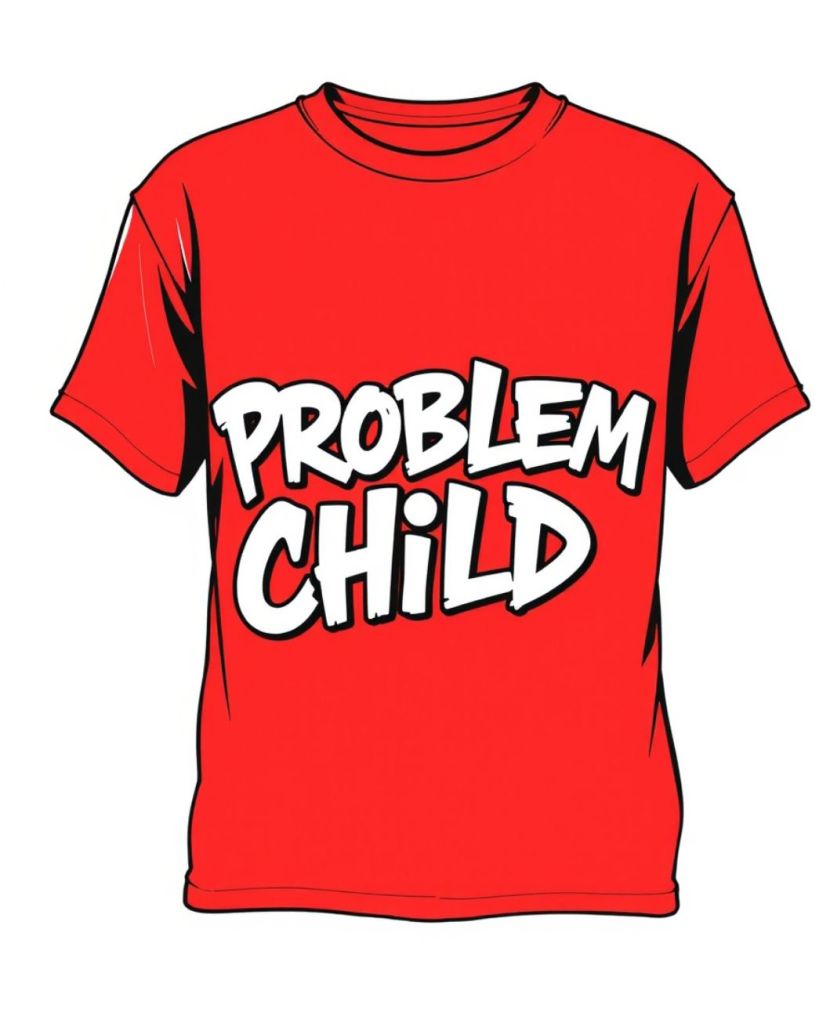
Responsible adults can be created by dysfunctional adults.
However, there’s always the possibility that a child will grow up to be a responsible adult by observing the behaviour of irresponsible adults. Some children, even when exposed to negative influences, develop a heightened awareness of what they don’t want to become. The contrast between their environment and their aspirations can serve as motivation to break the cycle of dysfunction. They may learn to adapt, self-regulate, and choose a different path by recognising the consequences of irresponsible behaviour. In this sense, a child’s resilience and capacity for self-reflection can allow them to rise above the influences of their environment, making independent, positive choices for their future.
Conclusion
No two children from the same family will grow up to be the same because of unique experiences and adults who learn as they grow up to be better or worse adults.
