The Difficulty in Communicating Between Humans
The difficulty in communicating between humans is that it’s so easy to be misunderstood. Even with all the tools we have today—texts, emails, social media, and video calls—people don’t seem to understand each other any better than they did in the past. In fact, depending too much on words can make it harder to truly connect.
One big reason is that words aren’t perfect. They’re just tools we use to share our thoughts and feelings, but they don’t always express exactly what we mean. Plus, people often interpret words in different ways, making confusion even more likely. This problem isn’t going away as long as words are our main way of communicating.
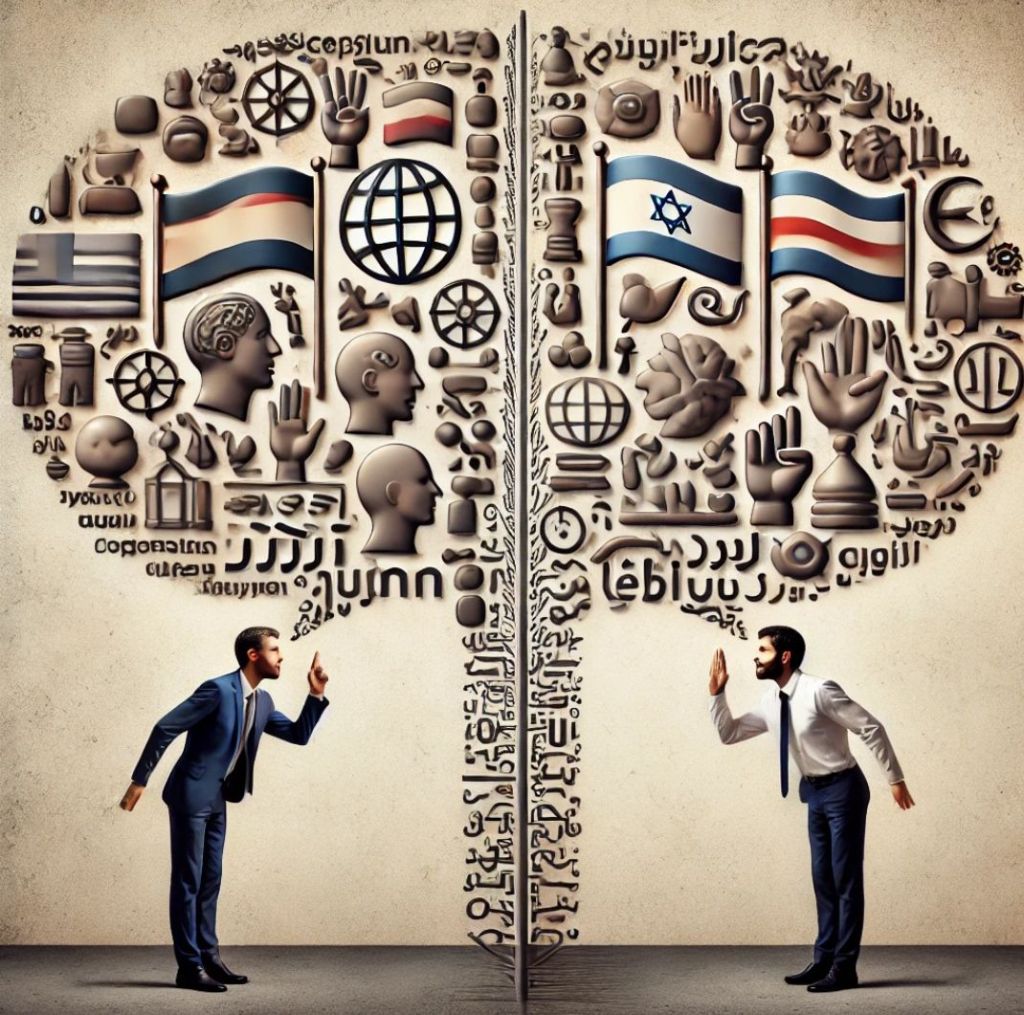
Nonverbal communication—like body language, tone of voice, and facial expressions—can help fill the gaps where words fall short. However, even these aren’t perfect. Nonverbal cues can mean different things in different cultures. For example, a smile might be seen as friendly in one place but nervous or even insincere in another. Gestures, personal space, and eye contact can all vary widely depending on cultural norms, which can lead to misunderstandings just like words do.
Even with these challenges, there are ways to improve communication. Listening carefully and asking questions can help ensure both people understand each other. Spending time together or sharing experiences can build connections that don’t rely entirely on words. Art, music, and other creative expressions can often say what words or gestures cannot. Most importantly, being patient and open-minded can help bridge the gaps caused by language or cultural differences.
While words and nonverbal communication both have their limits, using a mix of approaches and putting in the effort to understand each other can make human connection easier, even if it’s never perfect.
P.S. What are you saying?
