Everywhere I look, people are promising to teach you how to “use AI effectively.”
Endless tutorials, guides, and quick hacks all claim to unlock instant mastery.
But what’s often missing is the human part.
Few ask whether real-world experience, taste, or intuition are still necessary.
That omission feels like clickbait — an appeal to those seeking a shortcut rather than a craft. Because while AI holds extraordinary knowledge, it can’t replace the wisdom born of doing.
Before you can wield AI’s power, you need something it can never provide:
1. lived experience.
2. Understanding.
3. Judgement.
4. Taste.
Without these, even the most powerful tool becomes just another gadget — capable of brilliance yet directionless without a human hand to guide it.
Consider the perfect analogy: the kitchen.
Give a master chef a kitchen, and they’ll create art.
Give a novice the same tools, and you might get a meal — but rarely a memorable one.
Now, imagine that novice directing the chef:
“More salt,” they insist. “Make it spicier — but not too much. And add chocolate. People love chocolate.”
The result is inevitable: a confused dish that tries to please everyone and satisfies nobody.
This is the precise fate of AI-generated creativity without a human expert to give it purpose.
AI is the ultimate sous-chef. It can chop a mountain of vegetables in seconds, recall every recipe ever written, and plate your work with Michelin-star precision.
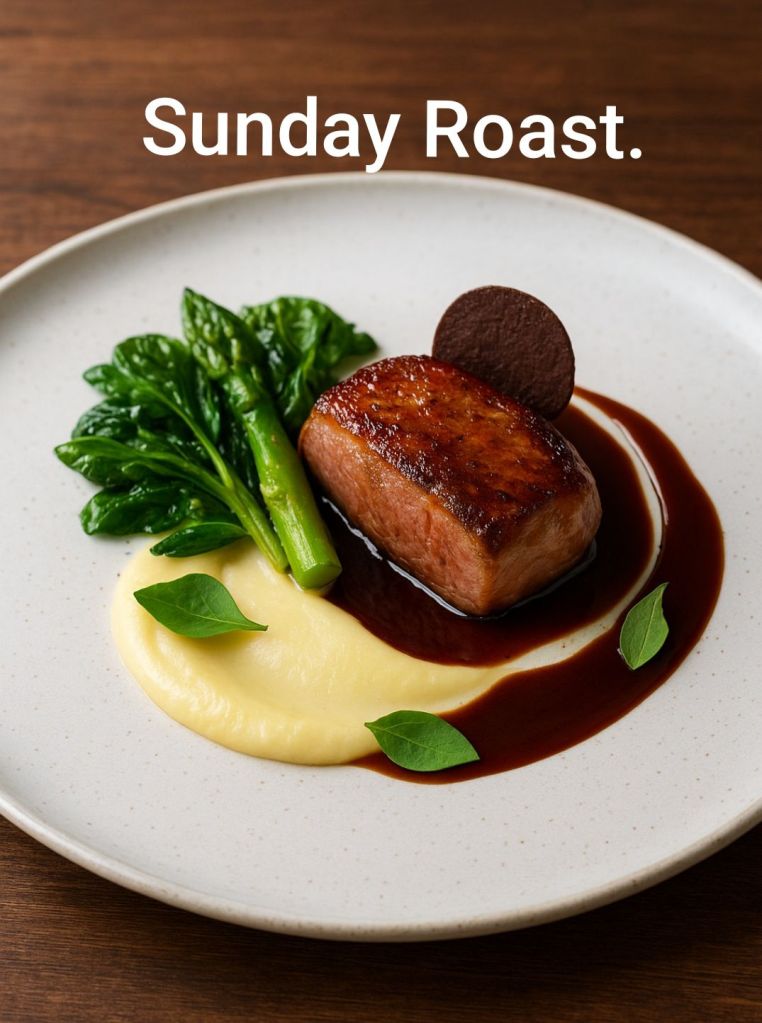
But a tool, however powerful, still needs a guiding hand. Without human taste, intuition, and story, AI’s output looks impressive but feels hollow — like a perfect photograph of a meal: beautiful, yet devoid of warmth and flavour.
We see this dynamic everywhere creativity lives.
A novelist who doesn’t read, tasking AI with a “masterpiece,” is like someone who’s never cooked demanding a soufflé — it might rise, but it will collapse on the palate.
A filmmaker who doesn’t understand emotion can generate a thousand AI scenes, yet without human pacing, not a single one will land.
Even in design, a request for “something modern” fails without a sense of composition, light, or audience. The result feels sterile — missing the soul that connects.
AI expands the kitchen, but the human still defines the flavour.
Our role isn’t vanishing; it’s evolving. We are shifting from hands-on executors to strategic visionaries. Our value now lies in answering the questions that define true artistry:
1. Why does this dish exist?
2. What story must this film tell?
3. What feeling should this design evoke?
The future of creativity isn’t a battle of human versus AI.
It is an essential collaboration — AI powered by human taste.
And that taste — your experience, your curiosity, your care — is the irreplaceable ingredient.
It’s the difference between a technically correct creation and a masterpiece that lingers, unforgettable, long after the last bite.
