Category: Digital Media

  • The Psychological Magic Trick of the “Talent-Free” Influencer.

    (Thanks, Kardashians!)

    We used to believe fame required talent — that you had to sing, act, or at least juggle flaming swords to earn attention. Then came the Kardashians, and the game changed forever.

    Because it turns out you don’t need a craft. You just need a camera, an algorithm, and a deep understanding of human psychology.

    Let’s unpack the magic tricks behind the “talent-free” influencer phenomenon — and how the Kardashians perfected them.

    1. The “They Feel Like Family” Illusion (Even Though They’ve Never Met You).

    The Psychological Sleight of Hand: Your brain can’t tell the difference between someone you actually know and someone you’ve watched eat salad on TV for 20 seasons.

    The Kardashian Application: We’ve seen Kim cry over lost earrings, Khloé break up with losers, and Kylie… well, Kylie do whatever Kylie does. After 660 episodes of Keeping Up, they feel less like celebrities and more like that dramatic cousin you only see at weddings but somehow know everything about.

    The secret sauce? Familiarity without obligation. You get the gossip without having to loan them money.

    2. The “So Real, It’s Fake” Phenomenon.

    The Psychological Sleight of Hand: We’re wired to sniff out phonies, so when someone seems “authentic,” we lower our guard.

    The Kardashian Application: The genius of the Kardashians is performing calculated authenticity. Kim posts “unglammed” PJ selfies that still have perfect lighting. They promote “body positivity” while looking like they’ve never seen a carb. Kylie “admits” to lip fillers, then makes $360 million off the confession by selling lip kits.

    It’s the modern marketing magic trick: turning an advertisement into a confession.

    3. The “Monkey See, Monkey Follow” Effect.

    The Psychological Sleight of Hand: If everyone else is watching, our monkey brains assume there must be a good reason.

    The Kardashian Application: With a combined Instagram following of 1.2 billion, they’re not people anymore — they’re a human tsunami. When Kylie posted a photo of her baby, it became the most-liked picture in Instagram history (until an egg dethroned her, which honestly proves the point).

    Today’s status symbol isn’t a Ferrari — it’s being too famous to be cancelled properly.
    4. The “I’m Just Like You (But Richer)” Fairy Tale.

    The Psychological Sleight of Hand: We connect with people who seem aspirational yet attainable — not so perfect they make us feel bad, not so ordinary they bore us.

    The Kardashian Application: They mastered the “relatability sweet spot.” They’re rich enough to fascinate but flawed enough to feel human. They have family dinners, sibling fights, and public heartbreaks — they just happen to have them in $20 million mansions.

    They’re the human equivalent of a McMansion: fancy enough to aspire to, tacky enough to believe you could actually live there.

    5. The “Attention = Power” Equation.

    The Psychological Sleight of Hand: Once upon a time, status went to the hunter or the warrior. Now it goes to whoever can make you pause your scrolling.

    The Kardashian Application: Kim “breaking the internet” with her Paper magazine cover wasn’t about nudity — it was about dominance. When Kylie tweeted she no longer used Snapchat, $1.3 billion evaporated from the company’s value overnight.

    Their art form isn’t music or film — it’s the alchemy of turning attention into currency.

    6. The Algorithm Whisperers.

    The Psychological Sleight of Hand: Social platforms reward engagement, not talent. Algorithms don’t care whether you’re loved or loathed — only that you’re being talked about.

    The Kardashian Application: They don’t fight the algorithm; they flirt with it. Kim knows that controversy drives clicks. Kylie understands that drama equals dollars.

    They don’t create content — they create algorithm catnip.

    7. The “Hate-Watching Is Still Watching” Loophole.

    The Psychological Sleight of Hand: Your brain doesn’t differentiate between positive and negative engagement. Dopamine is dopamine — whether you’re laughing with them or at them.

    The Kardashian Application: Think they don’t know people mock them? They count on it. When Kim wore Marilyn Monroe’s dress to the Met Gala, the outrage and think pieces generated billions in free publicity.

    They’ve mastered the dark art of turning your eye-rolls into income.

    The Grand Finale: The Real Magic Trick.

    The “untalented” influencer isn’t a cultural accident — they’re the perfect product of our psychological wiring.

    The Kardashians didn’t hack the system; they are the system.
    They feed our need for connection, our hunger for authenticity, our weakness for social proof, and our willingness to trade depth for distraction.

    Their true talent? Making us wonder about their talent while they cash the cheque.

    As one academic put it:

    “When people devote time and space to condemnation, it immediately makes me wonder what social fears or cultural desires might lie beneath the aggression.”

    So the next time you ask, “But what do they actually do?” — the uncomfortable truth is, they’re doing it. (Living)

    And we’re the ones watching.

    The title is a bit misleading because the entire post shows you everything you need to do to become an influencer. However, if you don’t use any of those tricks, then you won’t become an influencer.

    P.S. I couldn’t possibly become an influencer. However, I could definitely spend an influencer’s money.
  • I rarely write about this topic these days. However, yesterday, I came across someone on Instagram who appeared to be famous, so I Googled their name and couldn’t find them. Based on that simple search, I made a number of assumptions that may or may not be true. Those assumptions are not important from an individual’s perspective, but if people are making the same assumptions about a business, then the business is in trouble.

    Brand loyalty needs online visibility

    When it comes to business today, the idea that “if you’re not on the first page of Google, you’re not famous” really rings true. For a company, especially, being easily found online is critical. Please allow me to elaborate:

    1. Visibility and SEO

    Getting on the first page of Google is vital. The majority of people don’t scroll past that first page. If your company or products aren’t showing up there, you’re essentially invisible to a large chunk of potential customers. This is where SEO comes in—optimizing your website with the right keywords, quality content, and the right technical tweaks will help boost your Google rankings. It’s a must-have for staying competitive online.

    2. Trust and Authority

    Think of it like this: people associate first-page results with trust and authority. If your business doesn’t show up, it can make you seem less established or credible, even if your products or services are great. Being visible helps build trust and signals that you’re a legitimate player in your industry.

    3. Outpacing Competition

    Your competitors are probably vying for those top spots, too. If you’re not there, you’re losing out on potential leads and sales. SEO helps you stay ahead of the competition. Without it, no matter how good your offering is, you’ll struggle to compete with businesses that are more easily found.  (There’s no direct link between quality and Google ranking.)

    4. Online Presence = Reputation

    Your online visibility is, in many ways, a reflection of your reputation. Today, people judge businesses not just by what they sell but also by how accessible they are. Being on that first page gives the impression that your business is not just operational but thriving. (If people can’t find you when they need your service, then they will worry about finding you should something go wrong.)

    5. Niche Fame

    Now, if you’re targeting a niche market, you may not need to be famous to everyone, just to the right people. A smaller, specialised business might not hit the first page on broad searches, but it could dominate in its niche with targeted SEO efforts. So, it’s about knowing where and how you want to be “famous.” For example, if you Google “Brendan Dunne,” then you may find me. If you Google “Brendan Dunne mindfulness & positivity,” you will find me.

    Bottom Line

    Yes, everything you do in business affects your bottom line.

    Not being on the first page of Google can hurt your growth and visibility, especially when customers are searching for what you offer. Investing in SEO and your digital presence is key to staying relevant and competitive, both in the short term and long term. Without it, even the best products can get lost in the crowd.

    P.S. If you’re not going to invest in good SEO, then you can give your money to Google in the form of paid advertising.

  • That’s right, social media platforms grew to be the huge conglomerates they are today because they brought people together. However, that is going to the reason that will bring about their demise, too.

    You see, social media platforms were initially about allowing families, local communities, and groups to connect in ways that they couldn’t before. But, it wasn’t long before people with extremist views who previously would have been isolated began using those platforms as gather together and cause serious trouble.

    You’d think that social media platform  owners would be able to silence those people, but the algorithms designed to spread the most popular news stories are unable to differentiate between positive and negative interactions.

    The best, or at least the most well-known example is Donald Trump. A huge number of people interact with the content that’s created about him to see what shocking news will emerge next. His followers, of which there are millions, will be applauding or shouting fake news. Everyone else is afraid they’ll miss the next chapter of the drama, that is, his life.

    Of course, Donald is not even the tip of the iceberg. His antics are tame by comparison to the extremist groups across the globe sharing their hate speech on social media platforms, not to mention the other narcissistic and other anti-social groups who are doing the same thing with devastating effects. The minorities of the world are taking control of the platforms.

    There is a possible light at the end of the tunnel, and that light is AI. If they can be programmed with the ethics and morals of the majority of people, they could remove anti-social content before it has the opportunity to be shared by the minority.

  • Depending on your life-experiences you may find a lot of cartoons funny or you may see the deeper meaning behind the cartoon’s facade. The following images have a bit of both.

    Growing old gracefully.
    Growing old gracefully.

    A lot of people dislike getting older until they get old, and then they love telling people how old they are.

    Trust?
    Trust?

    Trust me is a much used phrase, but some people question the motive of the user. This turkey knows Thanks Giving, and Christmas is just around the corner.

    ??????
    ??????

    There are some people I have met who would be better off if they acted like people they respect and admire rather than themselves.

    Result.
    Result.

    Beware of how you treat those who are less fortunate than yourself, you never know when things could change.

    Understanding.
    Understanding.

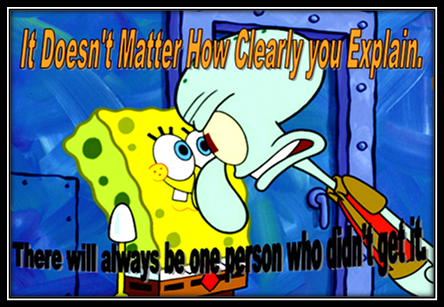
    Don’t go through life thinking everybody will understand and agree with you regardless of how logical your argument, this will only give you an ulcer. Be happy with those who agree with you and respect those who don’t.

    Till later, have a great day.


  • Change is good.
    Change is good.

    This is the most popular subject anywhere on the web, it does not matter which site you visit there will be somebody advising you to live in the present to ensure a great future. I agree with them because a common excuse used by people is, they try to keep me down, and when you question who the they are? You find out the they is actually their view of themselves. This view is normally held by those who live their lives in the past, they may have had a rough childhood and have not managed to see the person they have become is very different from the little person they were.

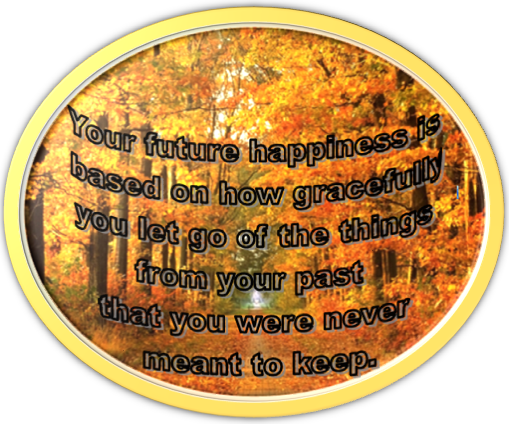
    Change is never easy, but it is essential if you want to move forward, even trees know that they have to lose their leaves every year if they are to survive when the strong winds blow, the very same applies to people, they have to let their past go and move on. Their past experiences have given them the strength, and now they must use that strength to develop the future they deserve.

    The change is brought about by visualising yourself from the view-point of somebody who doesn’t know your past or what you have gone through to become the person you are today. This will go a long way to dragging you out of the past and into the future because as Eleanor Roosevelt put it, “nobody can make you feel inferior without your consent.”

    • The light at the end of the tunnel starts with your ability to see it, and them move in that direction.


    ***********************************************************************************