Writing isn’t impossible.
It just feels that way when you’re staring at a blank page, expecting to conjure an entire world from nothing.
But that’s not what writing is.
Writing begins with a concept.
Then comes a process.
You take the idea and break it apart. You ask questions.
What happens next?
Who is involved?
What do they want?
What stands in their way?
What would make the reader care?
You experiment. You rewrite. You cut what doesn’t work and strengthen what does. You connect one idea to another until something begins to take shape.
And then something else happens.
Emotion enters the room.
A technically perfect story can still leave you cold.
The reader needs to feel something.
Curiosity.
Fear.
Hope.
Loss.
Recognition.
That strange moment when they read a sentence and think:
“That’s exactly how I feel.”
My own story, The Quiet Between Storms, is a good example of this.
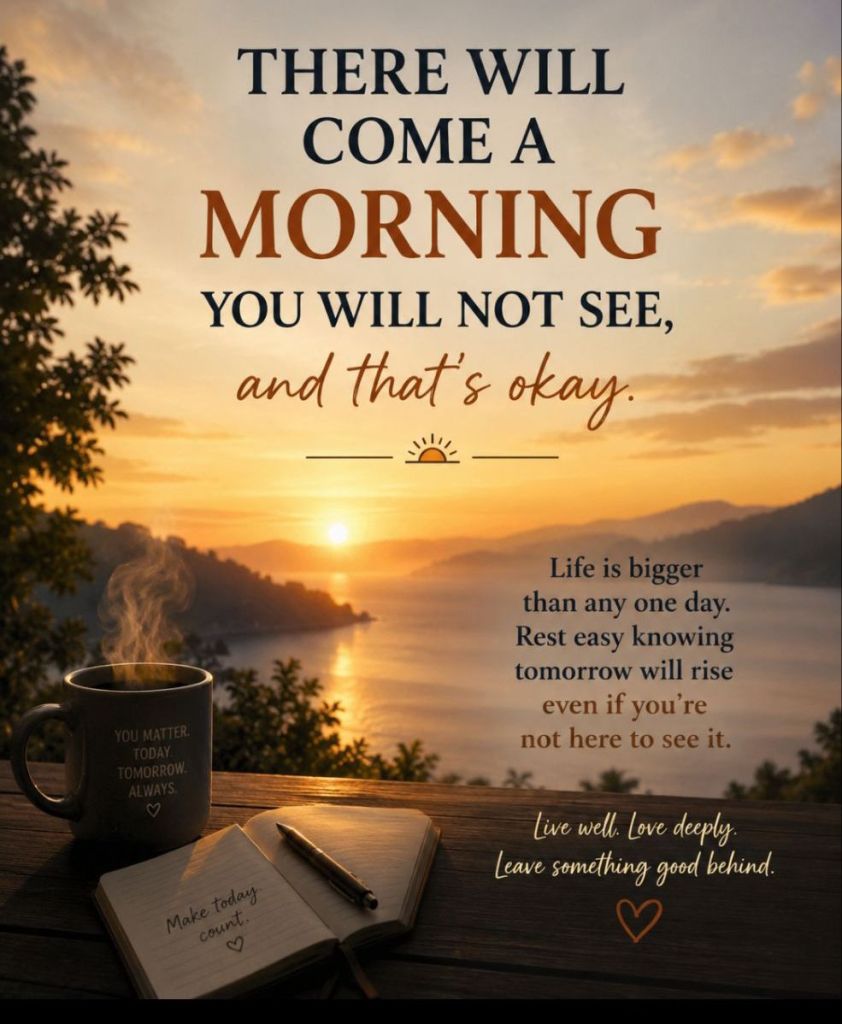
It opens with a sunrise nobody notices.
A sigh of curtains.
A kettle’s whistle.
Light slipping across a wooden floor.
None of these details are dramatic on their own. But together, they build a quiet, ordinary world.
And that quiet is what makes the phone call that follows so devastating.
The emotion doesn’t arrive because the writer tells the reader to feel something.
It arrives because the process has laid the groundwork, sentence by sentence, until the reader is ready to feel it.
That’s why I don’t think writing is simply an art.
And it isn’t simply a science either.
It’s both.
Science gives you the process.
Emotion gives you the reason.
The process turns an idea into something tangible.
Emotion makes that thing worth reading.
And there’s another part of the process that can make writing easier:
Know what you want the reader to feel at the end.
If you know the emotional destination, you can begin building towards it from the first chapter.
You can create the character the reader will care about.
You can introduce the questions that need answering.
You can plant the details that will matter later.
You can shape the journey around the feeling you want to leave behind.
Suddenly, the first chapter has somewhere to go.
You don’t need to wait for inspiration to arrive like lightning.
You need an idea worth exploring and a willingness to work through the process.
The blank page isn’t asking you to create a masterpiece.
It’s asking you for one sentence.
Then another.
And another.
Eventually, those sentences become a paragraph.
The paragraphs become a chapter.
The chapters become a story.
And one day you look at what you’ve created and realise something remarkable:
You didn’t create an entire book in one moment.
You created it one decision at a time.
One thought.
One sentence.
One scene.
One feeling.
One revision.
One chapter.
Until something existed that didn’t exist before.
That’s writing.
Not magic.
Not some mysterious gift given to a chosen few.
Science and emotion working together to turn an idea into reality.
So when the blank page looks intimidating, don’t ask yourself:
How am I going to write an entire book?
Ask a smaller question.
What is the next sentence?
Then write it.
And let the story grow from there.
Click the link to see my published work.