Month: Feb 2025

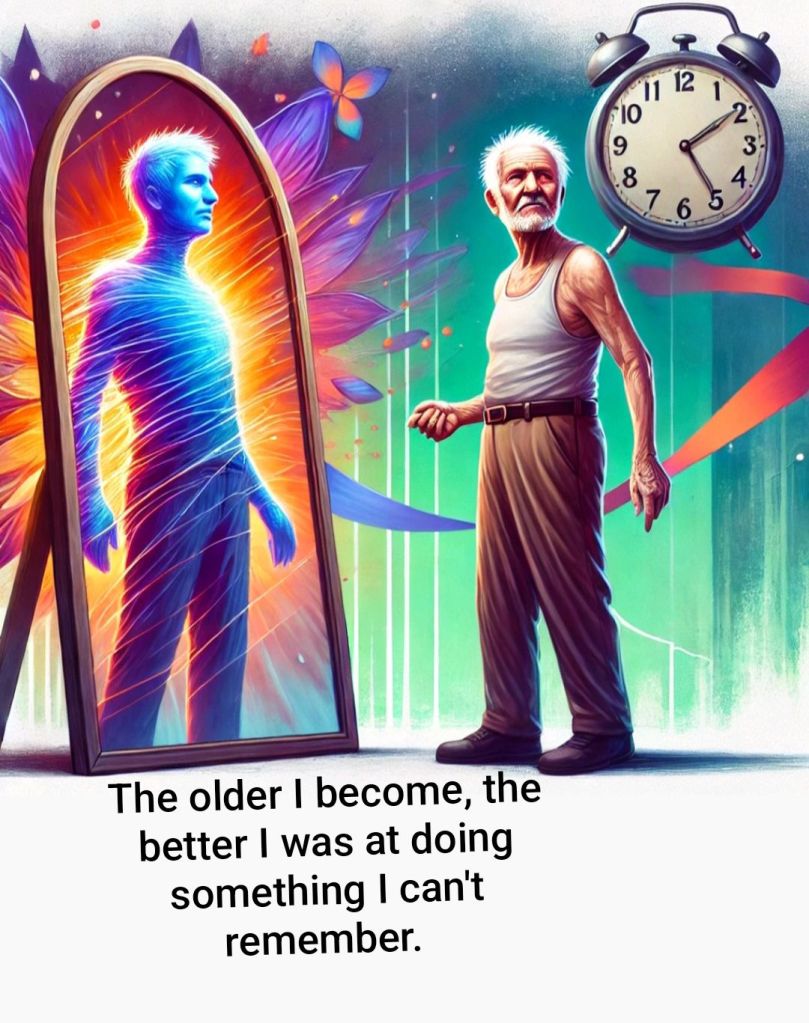
  • The practical realities of ageing can’t be ignored because ageing is inevitable, yet many people—especially men—tend to overestimate their physical capabilities. While confidence is beneficial, failing to recognise natural physical decline can lead to frustration and even injury.

    It’s for that reason that we should be aware of the consequences of ageing. The first step is to discuss the following question.

    Why Do We Overestimate Our Abilities?

    1. Memory vs. Reality

    Our minds retain vivid memories of past physical prowess, creating a cognitive bias that makes us believe we can still perform at the same level.

    Example: A man in his 50s may assume he can still run long distances like he did in his 30s, ignoring the impact of reduced stamina and longer recovery times.

    2. Ego & Identity

    Many men tie their self-worth to strength and endurance, making it difficult to accept physical decline.

    Example: A former athlete might struggle to acknowledge that lifting heavy weights or playing intense sports is no longer sustainable.

    3. Social Conditioning

    Men are often taught to equate toughness with resilience, leading them to downplay or ignore signs of physical decline.

    Example: A man might resist using a cane or assistive devices, fearing it will make him appear weak.

    4. Optimism Bias & Denial

    Some people assume they can defy ageing through sheer willpower, leading to overconfidence and risk-taking.

    Example: An older adult attempting high-impact sports without proper preparation, increasing the risk of injury.

    5. Lack of Self-Assessment

    Without regular feedback, it’s easy to overlook declines in strength, balance, or endurance.

    Example: A person may not realise their reaction time has slowed until they experience a near-fall.

    Women Experience It Too—But Differently

    Societal Pressures: Women often feel pressure to maintain youthfulness and endurance rather than pure strength.

    Biological Factors: Menopause and hormonal shifts bring unique challenges, but women tend to be more proactive about adapting their routines.

    Example: A woman might recognize the importance of flexibility and balance earlier, choosing yoga or Pilates over high-impact workouts.

    Once we’ve identified our flawed perceptions of our ageing physical abilities. We need to follow a more realistic physical regime because we’re not just going to stop moving because of age and a few aches and pains.
    How to Age Smartly

    1. Acknowledge Change

    Set realistic goals based on current abilities rather than past performance.

    Example: Shifting from long-distance running to brisk walking or cycling to maintain endurance.

    2. Stay Active with Purpose

    Engage in exercises that preserve strength, mobility, and balance without unnecessary strain.

    Example: Incorporating bodyweight exercises, resistance bands, or lighter weights instead of lifting heavy loads.

    3. Listen to Your Body

    Pay attention to pain and adjust activities before minor discomfort becomes a serious issue.

    Example: Choosing low-impact exercises like swimming or elliptical training instead of high-impact sports.

    4. Prioritize Longevity Over Ego

    Focus on sustainable fitness and injury prevention rather than chasing past achievements.

    Example: Training for general health and mobility rather than aiming for personal bests.

    Conclusion

    Ageing isn’t about losing ability—it’s about adapting wisely. By acknowledging physical changes, staying active with intention, and making smart adjustments, we can maintain strength, independence, and a high quality of life. Confidence is valuable, but self-awareness and adaptability are what truly lead to ageing well.


  • The perspective that “complaints are opportunities for growth” is a powerful mindset shift for individuals and organizations alike. Complaints are often seen as negative or disruptive, but they can serve as a catalyst for improvement and innovation when approached with curiosity and empathy. Here’s a deeper dive into how to leverage complaints effectively:

    Why Complaints Matter

    1. They Reveal Blind Spots: Complaints often highlight issues that may not be visible to leaders or decision-makers. They provide a window into what’s not working.

    2. They Build Trust: When people feel heard and see their concerns addressed, it fosters trust and loyalty.

    3. They Drive Improvement: Complaints can uncover inefficiencies, gaps in communication, or unmet needs that, when addressed, lead to better outcomes.

    How to Handle Complaints Effectively

    1. Listen Without Judgment:

    Avoid being defensive or dismissive. Instead, focus on understanding the underlying issue.
    Use active listening techniques, such as paraphrasing or asking clarifying questions.

    2. Acknowledge the Concern:

    Validate the person’s feelings, even if you don’t immediately agree with their perspective. A simple “I understand why this is frustrating” can go a long way.

    3. Dig Deeper:

    Ask open-ended questions to uncover the root cause. For example:
    “Can you tell me more about what’s bothering you?”
    “What would an ideal solution look like for you?”

    4. Collaborate on Solutions:

    Involve the person in finding a resolution. This not only empowers them but also increases the likelihood of a sustainable solution.

    5. Follow Up:

    After addressing the complaint, check back to ensure the solution is working and that the person feels satisfied.

    Turning Complaints into Opportunities

    In the Workplace: If employees complain about a lack of clarity in communication, it’s an opportunity to improve transparency and create better systems for sharing information.

    In Customer Service: If customers complain about a product defect, it’s a chance to improve quality control and build stronger relationships by resolving the issue promptly.

    In Personal Relationships: If a friend or partner expresses dissatisfaction, it’s an opportunity to deepen understanding and strengthen the relationship.

    The Bigger Picture

    Complaints are a form of feedback, and feedback is essential for growth. By reframing complaints as opportunities rather than nuisances, we can:

    Foster a culture of openness and continuous improvement.
    Build stronger, more resilient relationships.
    Create systems and processes that are more aligned with the needs of those they serve.

    Final Thought

    The next time you hear a complaint, resist the urge to dismiss it. Instead, ask yourself: What can I learn from this? How can we use this to grow? By embracing complaints as opportunities, you can transform challenges into stepping stones for success.

    There’s One Caveat

    If you identify people who exploit your complaints process or your kindness, Let them go and complain to someone else.

  • There’s a unique magic in the words you share with the world that’s all your own.

    Remember that sentence because while some people say there’s nothing new under the sun—that every story has been told, every emotion felt, and every idea explored. It’s not true because creativity isn’t about reinventing the wheel; it’s about creating your own wheel with the spokes in any formation you desire.

    You see, a thousand people can look at the same work of art and interpret it in a thousand different ways. Meaning is fluid, shaped by the eyes, hearts, and experiences of those who engage with it. The themes of human existence—love, loss, joy, struggle—may be timeless, but the way you interpret and express them is entirely your own.

    When you create, you’re not just echoing what’s been said before—you’re adding your voice to the ongoing conversation of humanity. And that voice has value. It might resonate with someone in a way no other voice has before. It might offer comfort, insight, or inspiration in a way that only you can.

    So keep creating. Keep writing, speaking, and sharing. The world may have heard similar stories, but it hasn’t heard them from you. And that’s where the magic lies.

    What have you shared today?

  • The concept of the “undervalued value in doing nothing” is a profound reminder of the importance of balance in our lives. In a world that often glorifies busyness and constant activity, the act of doing nothing is frequently misunderstood or dismissed as laziness. However, doing nothing is far from unproductive—it’s a vital practice that fosters mental clarity, creativity, and emotional well-being.

    Key Benefits of Doing Nothing:

    1. Mental Rejuvenation:

    When we step away from the constant demands of work and technology, our minds have the opportunity to rest and recover. This downtime is essential for maintaining mental health and preventing burnout.

    2. Creativity and Problem-Solving:

    The default mode network (DMN), which activates when we’re not focused on specific tasks, plays a crucial role in creative thinking and problem-solving. It’s during these moments of stillness that our brains can make unexpected connections and generate innovative ideas.

    3. Self-Reflection:

    Doing nothing allows us to pause and reflect on our lives, goals, and emotions. This introspection can lead to greater self-awareness and a deeper understanding of what truly matters to us.

    4. Stress Reduction:

    Constant stimulation and pressure can lead to chronic stress, which negatively impacts both physical and mental health. Taking time to do nothing helps reduce stress levels and promotes a sense of calm.

    5. Sustainable Productivity:

    Contrary to the belief that constant activity leads to greater productivity, research shows that taking breaks and allowing ourselves to rest actually enhances our ability to focus and perform when we return to tasks.

    Remember, “There’s always time to do nothing—unless, of course, you’re already a master of the art of doing nothing. In that case, the next section of this post is probably not for you. It’s for those people who can’t seem to stop doing something, even when we’re supposed to be doing… nothing.”

    Practical Ways to Embrace Doing Nothing: (How many wives will share this advice with their husbands?)

    Mindful Moments: Spend a few minutes each day simply sitting quietly, focusing on your breath, or observing your surroundings without judgment.

    Daydreaming: Allow your mind to wander without purpose. This unstructured thinking can lead to unexpected insights and creative ideas.

    Nature Walks: Spend time in nature without any agenda. Let the sights, sounds, and smells of the environment wash over you.

    Digital Detox: Set aside time each day to disconnect from screens and technology. Use this time to engage in activities that bring you joy or simply to rest.

    Conclusion:

    The undervalued value in doing nothing lies in its ability to restore, inspire, and ground us. By embracing stillness, we not only enhance our mental and emotional well-being but also set the stage for more meaningful and sustainable productivity. In a world that often demands constant action, doing nothing is a radical act of self-care and a necessary counterbalance to the chaos of modern life. As we continue to recognize its benefits, perhaps we can shift the cultural narrative to celebrate the power of pause as much as the power of action.

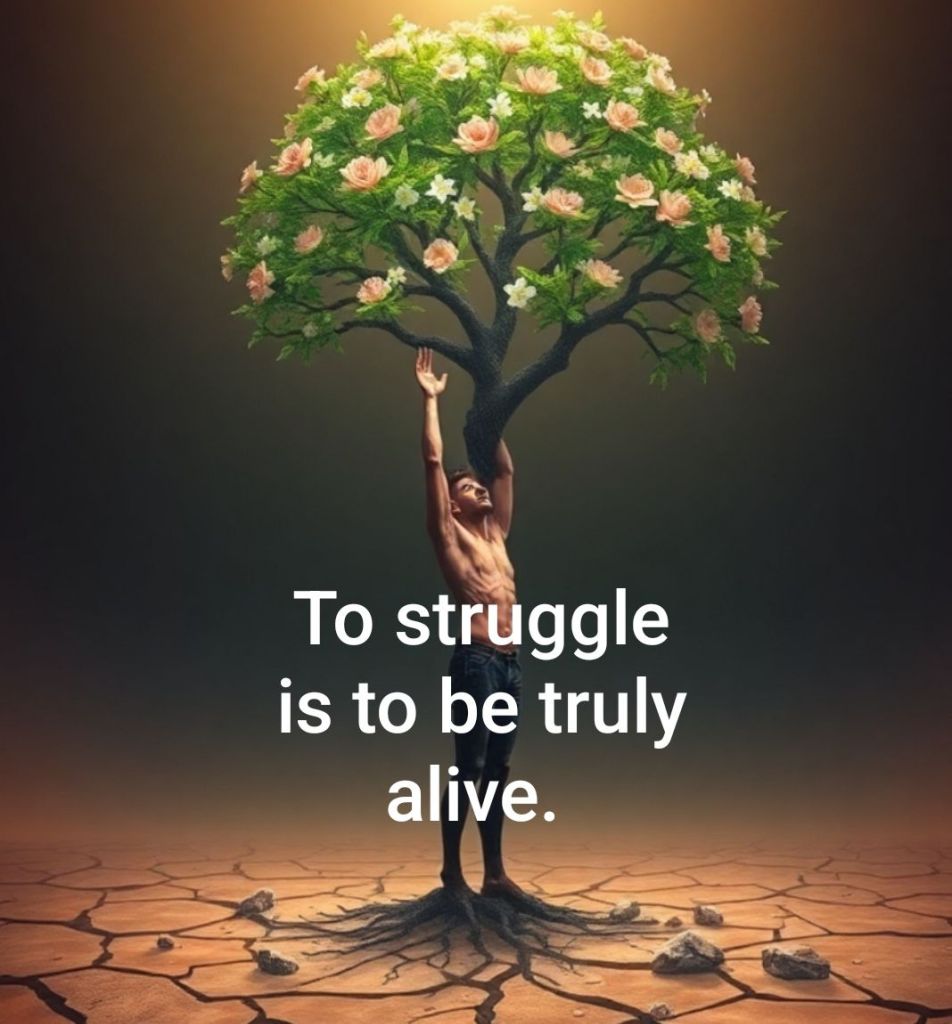
  • To Struggle Is to Grow.

    This simple yet profound truth captures the essence of a meaningful and evolving life. Struggle is not merely an obstacle—it is the very mechanism through which we expand our limits, deepen our understanding, and become more fully ourselves.

    When we struggle, we are forced to dig deeper, to tap into reserves of strength and creativity we didn’t know we had. It’s in moments of discomfort and challenge that we discover what we’re truly capable of. Growth rarely happens in isolation and comfort; it happens when we’re stretched, when we step beyond what feels safe or familiar.

    Struggle also teaches us humility and empathy. It reminds us that we are all works in progress, constantly learning and evolving. When we embrace our own struggles, we become more compassionate toward others who are facing their own battles. We begin to see struggle not as something to fear but as a universal human experience—one that connects us all.

    So, the next time you find yourself in the midst of a struggle, remember: this is not a sign of failure or weakness. It’s a sign that you are alive, that you are being challenged to grow, and that you are on the path to becoming a stronger, wiser, and more resilient version of yourself.

    As the Japanese proverb says, “Fall seven times, stand up eight.” Struggle is not the end—it is the beginning of something greater. Embrace it, learn from it, and let it propel you forward. Because to struggle is to grow, and to grow is to be truly alive.